

Top Tips for Maintaining Your Car Glass After Replacement
Maintaining your car glass after replacement is crucial for extending its lifespan and ensuring safety. Cracked or improperly maintained glass can impair your vision while driving, lead to more serious damage, and even impede the structural integrity of your vehicle. Proper post-replacement care involves several steps that you should be mindful of as soon as your new glass is installed. Understanding these tips helps not only in preserving the aesthetics of your vehicle but also in maintaining its overall value and road readiness for every upcoming drive.
Taking proactive steps right after leaving the service center will yield excellent long-term results. By understanding how to manage initial curing times, avoiding environmental hazards, and keeping up with routine cleaning, you protect your vehicle against premature wear and tear. Professional technicians design modern auto components to high standards, so treating your vehicle with careful attention ensures those standards are fully realized. This comprehensive guide will walk you through essential techniques to maintain your car glass replacement seamlessly.
Protect Initial Cure Times
After receiving a car glass replacement, honoring the initial cure time restrictions allows the adhesive to set properly. Driving immediately or exposing the vehicle to excessive stress can disrupt this setting period, compromising the bond between the glass and the body frame. Patience during this stage is essential for securing long-term durability. Allowing the vehicle to rest for at least an hour or two immediately following installation ensures that the structural seal achieves proper alignment and firmness without unnecessary movement.
Refraining from automatic car washes during the first 48 hours protects the fresh sealant from degrading due to moisture or high water pressure. Forceful water streams can breach unsealed edges, reducing adhesive performance over time. Heavy rain or sudden weather shifts must also be managed carefully during this delicate window. Parking in covered locations shields the curing seal, ensuring the new installation remains structurally sound and perfectly fitted to your automobile.
Maintain Clear Glass Boundaries
Dashboard clutter can exert subtle pressure on newly installed glass, subtly interfering with the bond during the setting process. Keeping your dashboard completely free of heavy items, electronics, or loose objects prevents unnecessary strain on the windshield base. During the first few weeks following a car glass replacement, reducing physical interference near the glass perimeter helps protect the setting adhesive from uneven stress distribution and unnecessary road vibrations.
Avoiding sticky tapes or adhesive accessories directly on the glass surface is equally important. Sun exposures can cause adhesives from aftermarket tapes to melt, leaving behind residues that complicate routine cleaning. Additionally, maintaining clean rubber seals around the perimeter prevents grit from working into small gaps. Removing dust and debris around the edges ensures the underlying sealant remains fully intact and resistant to water intrusion for years to come.
Practice Proper Glass Cleaning
Regular maintenance ensures optimal visibility while protecting glass clarity over the long haul. When performing routine cleaning, selecting specialized formulas free from harsh chemicals or ammonia safeguards both tint films and outer seals from premature degradation. Safe cleaning products remove road grime efficiently while preserving the overall condition of the glass surface. Using approved cleaning sprays ensures your view stays crystal clear without harming delicate rubber trim.
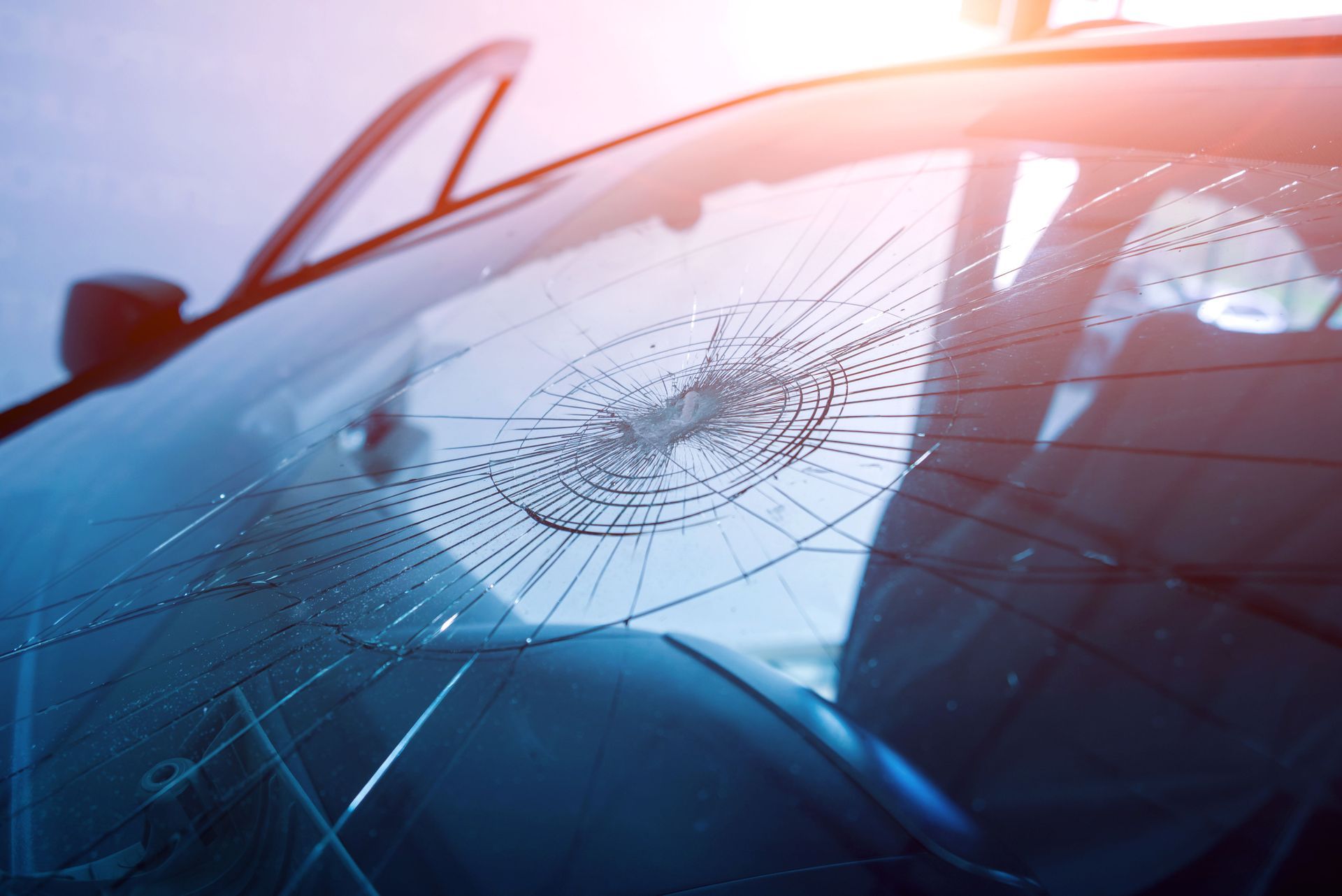
The tools selected for cleaning are just as critical as the solutions. Soft microfiber towels lift away surface dirt gently without leaving surface scratches behind. Avoid abrasive sponges, stiff brushes, or paper towels that could create micro-abrasions on fresh glass. According to AAA, you should replace your windshield if a crack is greater than 3 inches. Replacing damaged glass promptly prevents further structural complications and preserves complete clarity across your entire field of view.
Adjust Daily Driving Habits
Modifying your driving style immediately after a car glass replacement protects the fresh installation from severe shocks. Navigating smooth roadways and avoiding aggressive maneuvers minimizes chassis flex, which can put strain on newly sealed glass edges. A gentle driving approach allows the sealant to anchor properly without enduring harsh twists or sudden impacts, preserving both the glass and the underlying structural frame of your automobile.
Navigating rough terrain, potholes, or gravel roads demands extra caution during the early days post-installation. Excessive vibrations can unsettle the adhesive before it fully cures. Reducing speed over uneven pavement mitigates structural shock waves. Keeping a generous distance from large trucks also prevents airborne stones from hitting your fresh glass, allowing the installation to cure without sustaining unexpected rock chips or minor surface damage.
Shield Vehicles From Hazards
Protecting your vehicle from extreme environmental elements keeps car glass replacement seals in peak condition. Whenever available, parking in a private garage or sheltered space shields the glass from rapid temperature shifts, falling tree branches, and severe storm debris. Direct sun exposure can heat glass unevenly, placing stress on perimeter seals. Covered parking maintains a stable thermal environment, preserving adhesive elasticity and keeping outer surfaces clean.
Utilizing protective windshield sunshades helps regulate interior temperatures during hot weather. Internal heat management prevents extreme thermal expansion, protecting both internal seals and dashboard materials. Additionally, selecting secure, low-traffic parking spots reduces the chance of accidental impacts from surrounding vehicles. Taking these straightforward protective measures goes a long way toward extending the pristine condition of your newly installed glass.
Schedule Routine Glass Inspections
Periodic professional reviews ensure your car glass replacement continues to perform at peak standards over time. Having certified technicians evaluate the installation periodically catches minor wear, seal degradation, or subtle stress lines early on. Professional checks provide confidence that your vehicle retains its complete structural integrity, offering total peace of mind during commutes and longer highway road trips alike.
Inspecting perimeter moldings regularly ensures weather seals remain supple and tight against the chassis. Over years of driving, constant exposure to sunlight and changing seasons can cause external trim to harden or shift. Addressing minor trim concerns promptly prevents moisture leaks and wind noise. Keeping up with routine checks ensures your vehicle remains fully sealed, quiet, and comfortable through every driving condition.
Ensure Long Term Security
Consistent oversight of all vehicle windows guarantees that tiny chips or surface scratches are addressed long before they expand into larger issues. Catching minor flaws early saves time while keeping your windshield structurally sound. Maintaining communication with skilled auto glass specialists ensures you receive tailored guidance suited to your driving environment, helping you preserve optimal clarity across every season.
A proactive care routine protects your vehicle investment and safeguards everyone inside the cabin. Quality auto glass plays an integral role in vehicle safety systems, supporting roof strength and proper airbag deployment. Prioritizing care and proper maintenance keeps these safety features functioning as intended, ensuring every drive remains safe, smooth, and dependable for years ahead.
Understand Advanced Glass Features
Modern vehicles frequently feature advanced driver assistance systems integrated directly behind the front windshield. When undergoing a car glass replacement, these sensors and cameras must remain properly aligned to function accurately. Ensuring that all forward-facing safety cameras are calibrated correctly during maintenance preserves critical features like lane assistance, automatic emergency braking, and adaptive cruise control systems for consistent performance on the road.
Taking care of specialized glass features, such as rain sensors or heated wiper grids, requires equal attention. Using gentle cleaning techniques around sensor housing areas avoids disrupting sensitive electrical connections. Professional installers ensure all integrated features are fully reconnected during installation, allowing driver assistance technologies to operate seamlessly alongside your newly fitted auto glass without any loss of functionality.
Following these clear maintenance strategies ensures your vehicle remains safe, clear, and fully protected for the long haul. Proper care prevents unexpected repair costs, preserves structural strength, and maintains peak driving visibility through every season. Protecting your auto glass investment takes minimal effort while delivering lasting peace of mind on every journey. For complete assistance with all your windshield and window needs, depend on the dedicated professionals at AutoGlass Plus.


Share On: